

Victoria Harbour: A Night Crossing
A night crossing of Victoria Harbour
The interactive harbour is unavailable here, but the complete journey continues below.
01
Victoria Harbour
Harbour at Dusk
Night gathers on the water. Across the harbour, windows kindle beneath the Peak, and the night crossing begins.
02
Clock Tower
The Kowloon Edge
The clock still faces the harbour. The tower rose in 1915 beside the new Kowloon terminus, but its clocks and bell only began keeping time in 1921.
For sixty years, trains left from this shore for the journey north. In 1978 the station was demolished and the tower alone was kept, still standing where those journeys began.
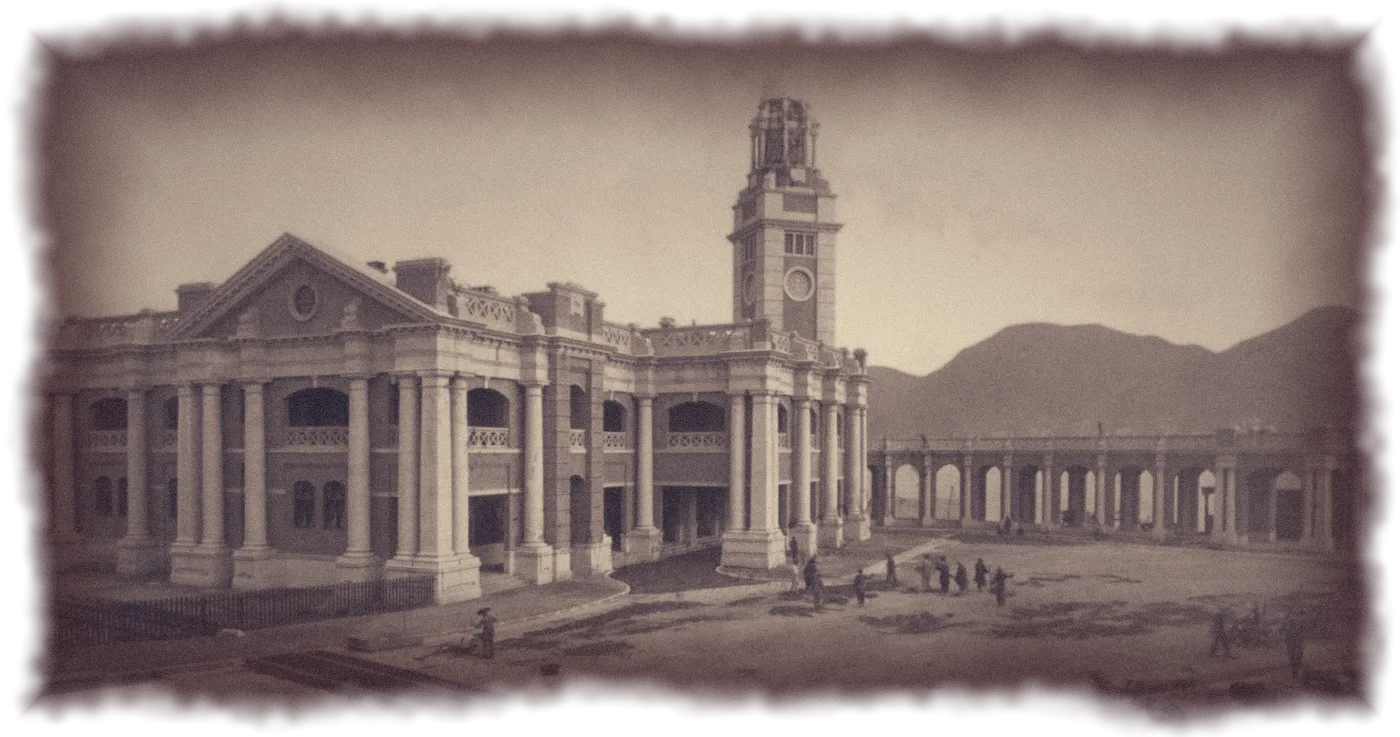
- 1915
- Tower rises
- 1921
- Clocks begin
- 1975
- Last train
- 1978
- Station demolished
03
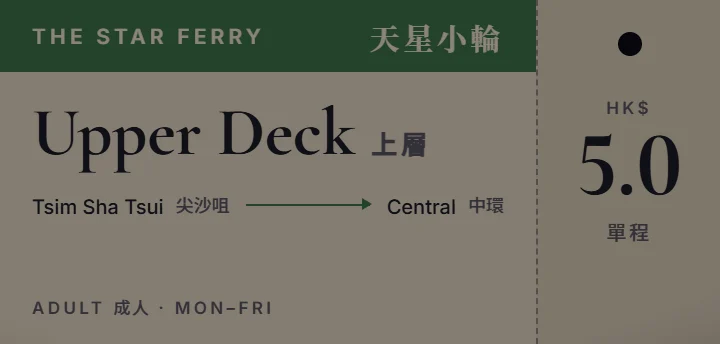
Star Ferry
Across the Water
Kowloon to the Island, the slow way, every few minutes.
Not a view but a commute: a few quiet minutes, the same crossing their grandparents made.
Crossing since 1888
04
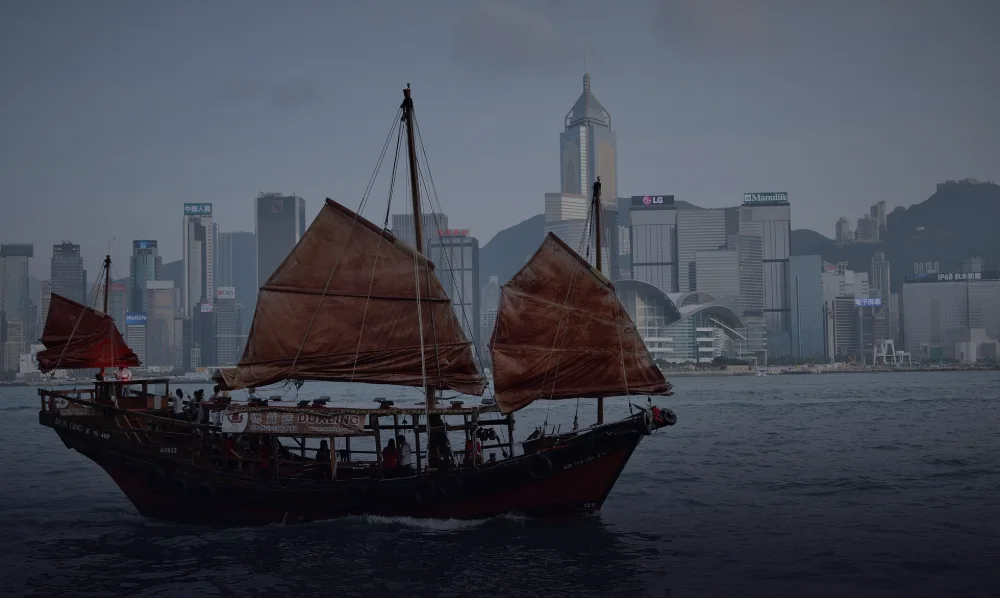
Junk with red sails
Red Sails
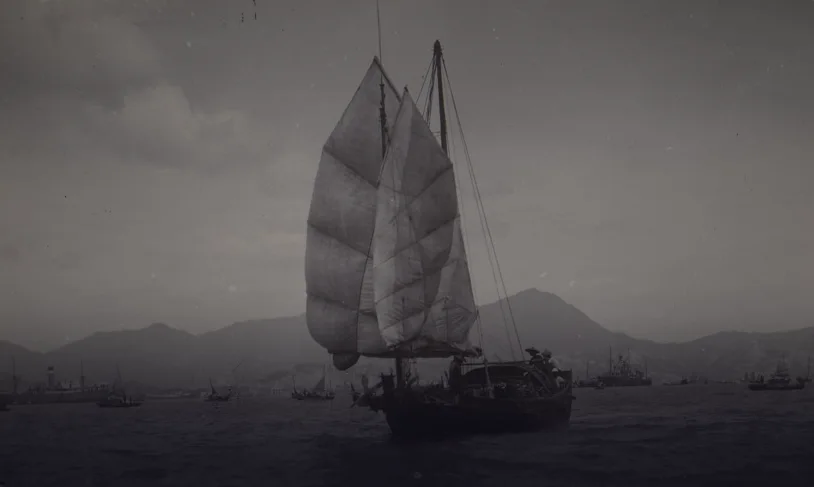
Before the 1950s, wooden sailing junks were Hong Kong's main fishing boats. The few that sail the harbour now carry visitors, keeping the shape of that memory on the water.
“I can’t change the direction of the wind, but I can adjust my sails to always reach my destination.”
05
Two IFC
City of Light
Two IFC rises 412 metres over Central. Finished in 2003, it was the city's tallest tower for years, and it is still the one on every postcard of the harbour.
Light the skyline
Hover me
06
Fireworks
Afterglow
The light fades, as light does. The water stays. In the morning the ferries will cross again, and the clock will still be facing the shore. The crossing ends; the harbour remains.